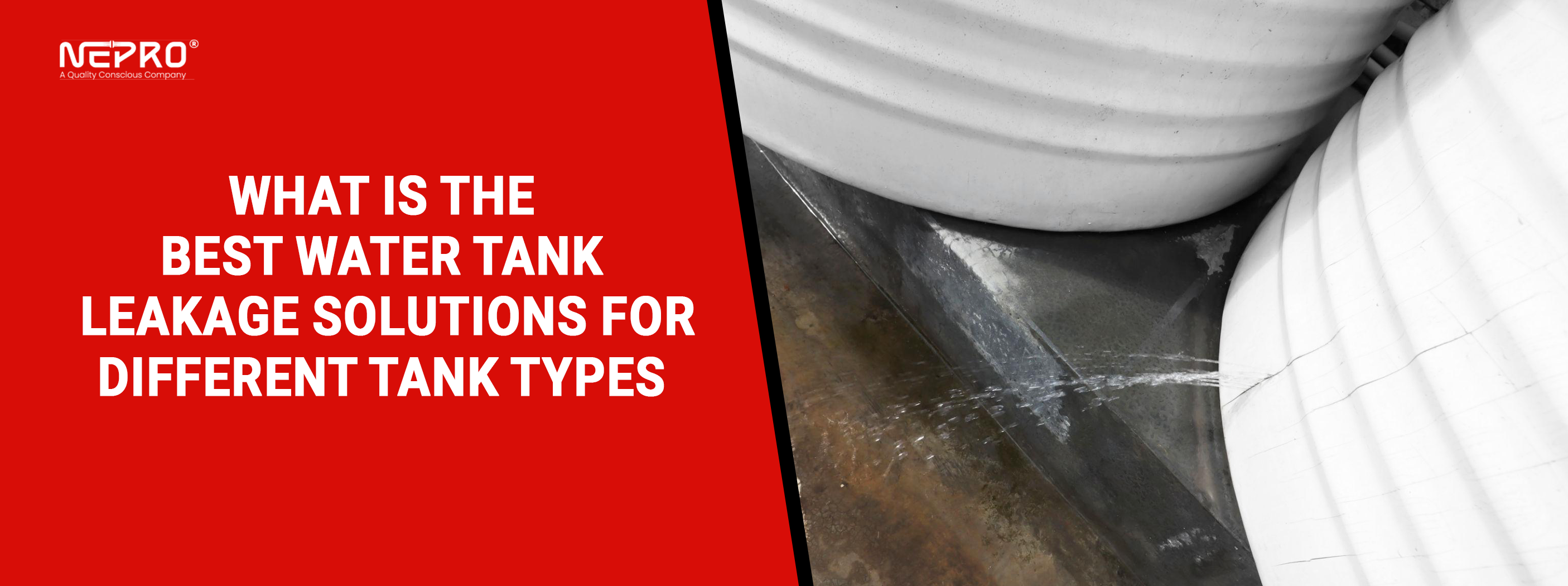
What Is the Best Water Tank Leakage Solutions for Different Tank Types
Water tank leakage is one of the most frustrating problems Pakistani homeowners face. A small crack or a loose fitting can waste hundreds of liters of water every day and quietly damage your walls, roof, or floor slabs. The worst part is that many people ignore the early signs until the damage becomes too costly to ignore.
The right water tank leakage solution depends entirely on the type of tank you have at home. A plastic tank needs a different repair approach than a cement tank, and an overhead tank requires different handling than an underground one. This guide covers each tank type separately so you can find the most practical and lasting fix for your specific situation.
How Do You Know Your Water Tank Is Leaking?
Before you look for any repair solution, you need to confirm that your tank is actually leaking and not just sweating due to humidity. In cities like Karachi and Lahore, tanks often look wet on the outside during summer, which can be misleading. A proper inspection saves you time and money before you start any repair work.
Here are the most common signs that your water tank leaks:
- Visible cracks or holes: Small fractures on the tank body or base are a clear sign
- Wet walls or ceiling below the tank: Water seeping into structural surfaces indicates active leakage
- Drop in water level without use: If the tank empties faster than usual, a leak is likely
- Water stains around fittings: White mineral deposits or rust marks near inlets and outlets point to joint leaks
- Damp soil around underground tanks: Soggy ground near the tank area is a strong indicator of subsurface leakage
What Are the Main Types of Water Tanks Found in Pakistani Homes?
Pakistan has a wide variety of water storage setups depending on the age of the house, location, and construction style. Each tank type has its own material, design, and vulnerability to leakage. Understanding which type you have is the first step toward finding the right repair approach. If you are unsure which tank suits your home better, this guide on concrete vs plastic water tank gives a helpful comparison.
Plastic Water Tanks
Plastic water tanks are the most commonly used storage solution in urban Pakistani homes today. They are lightweight, affordable, and easy to install on rooftops. However, plastic tanks can crack due to UV exposure, extreme heat, or physical impact. The joints where fittings connect to the tank body are also common leak points in these tanks.
Cement Water Tanks
Cement or concrete water tanks are usually built as part of the home structure, either on the roof or underground. They are durable and hold large volumes of water but are prone to seepage through hairline cracks that develop over time. Poor waterproofing during construction is the leading cause of leakage in cement tanks across Pakistan.
Overhead Water Tanks
Overhead water tanks sit on the roof or on elevated platforms and supply water to the whole house through gravity. These tanks face constant exposure to sun, wind, and temperature changes, which weaken the material and fittings over time. Leakage from an overhead tank can drip down through the roof slab and damage the ceiling below.
Underground Water Tanks
Underground water tanks are built below ground level and are common in larger homes and commercial properties across Pakistan. They are harder to inspect and repair because the tank body is not directly visible. Leakage in underground tanks often goes unnoticed for weeks before homeowners spot the signs through damp walls or foundation damage.
Water Tank Leakage Solution for Different Tank Types
Now that you know the tank types, here is the right water tank leakage solution for each one. Using the wrong repair method on the wrong tank type often leads to a temporary fix that fails quickly. Always match the solution to the material and location of your tank for the best results.
Plastic Water Tank Leakage Solution
For plastic tanks, the most effective solutions are epoxy putty, waterproof repair tape, and plastic-compatible sealants. Epoxy putty works well for small cracks and holes since it bonds tightly to plastic surfaces and sets hard within minutes. Waterproof repair tape is useful for quick fixes on visible surface cracks when you need an immediate solution.
For leaks around fittings and connectors, replacing the rubber washers and tightening the fitting usually solves the problem. If the plastic body has become brittle or multiple cracks have appeared, replacing the tank entirely is the smarter long-term decision.
Cement Water Tank Leakage Solution
Cement tanks require a waterproofing treatment rather than a simple patch. The most reliable water tank leakage solution for cement tanks is applying a cement-based waterproofing compound on the inner walls and base. Products like crystalline waterproofing chemicals work by penetrating deep into the concrete and blocking water seepage from within.
For larger cracks, injection grouting is used to fill voids and seal gaps in the concrete structure. Surface cracks should be chased out, cleaned, and filled with hydraulic cement before applying a full waterproofing coat. Always drain the tank fully, dry it completely, and apply at least two coats of waterproofing material for a lasting repair.
Overhead Water Tank Leakage Solution
Overhead tank leakage often comes from three places: the tank body, the fittings, or the base where the tank sits on the platform. For body cracks on plastic overhead tanks, epoxy putty or a waterproof sealant works well. For cement overhead tanks, a waterproofing coat on the inner surface seals hairline cracks effectively.
Fitting leaks are the most common issue in overhead tanks. Replacing old rubber washers, using Teflon tape on threaded joints, and tightening inlet and outlet fittings properly stops most fitting-related leaks. Always switch off the water supply before starting any repair work on an overhead tank to avoid working with live water pressure.
Underground Water Tank Leakage Solution
Underground tanks are the most challenging to repair because access is limited. The most effective solution for underground cement tanks is applying a waterproof membrane on the outer walls during construction or repair. For existing leaks, injection grouting through drilled holes fills internal voids and cracks without requiring full excavation.
For plastic underground tanks, inspect all inlet and outlet pipe connections first since these are the most common leak points. Replacing faulty pipe fittings and applying waterproof sealant around connection points usually stops most leaks.
How Can You Prevent Water Tank Leakage Before It Starts?
Prevention is always better than repair when it comes to water storage. Most tank leaks in Pakistani homes happen due to poor installation, low-quality fittings, or lack of routine maintenance. Having the knowledge of how to install a water tank at home can save you from costly repairs later and keep your water supply running without any interruption.
Here are practical prevention tips for every tank type:
- Use quality pipe fittings: Low-grade fittings at inlet and outlet points are a common cause of early leakage
- Apply waterproofing at construction time: Cement tanks must be waterproofed before first use
- Inspect fittings regularly: Check rubber washers and connectors every six months
- Avoid overloading rooftop platforms: A shaky or uneven base cracks plastic tanks over time
- Clean your tank twice a year: Sediment buildup weakens tank walls and damages fittings
Choosing a quality tank from the start is the most effective long-term prevention strategy. Nepro Pipes offers a range of durable and reliable options under the best water tank in Pakistan collection, built to handle the water pressure and temperature conditions found across Pakistani homes.
Conclusion
Every tank type needs a different water tank leakage solution, and using the right method makes all the difference between a fix that lasts and one that fails within weeks. Plastic tanks respond well to epoxy and sealants, cement tanks need waterproofing compounds, overhead tanks often need fitting replacements, and underground tanks require grouting or membrane treatment.
The key is to act quickly when you spot the early signs, use the right products for your specific tank material, and invest in quality components from the start. A well-maintained water storage system protects your home structure, keeps your water supply clean, and saves you money on repairs over the long run.
Frequently Asked Questions
What causes water tank leakage in Pakistan?
Poor fittings, UV cracks, and lack of waterproofing in cement tanks are the main causes. Unmaintained tanks leak faster.
Can I fix the leakage without draining the tank?
Waterproof tape or underwater epoxy works as a quick fix. For a lasting repair, drain the tank fully before applying sealant.
Which product works best for cement tanks?
Crystalline waterproofing compounds and cement-based coatings work best. Dr. Fixit and Sika are trusted brands in Pakistan.
How long does a tank leakage repair last?
Epoxy repairs last two to five years. Waterproofing coatings on cement tanks hold for eight to ten years when applied properly.
When should I replace instead of repair?
Replace a plastic tank with multiple cracks or over ten years old. For cement tanks with wall seepage, call a professional first.