Electrical Conduit Installation and Safety Standards
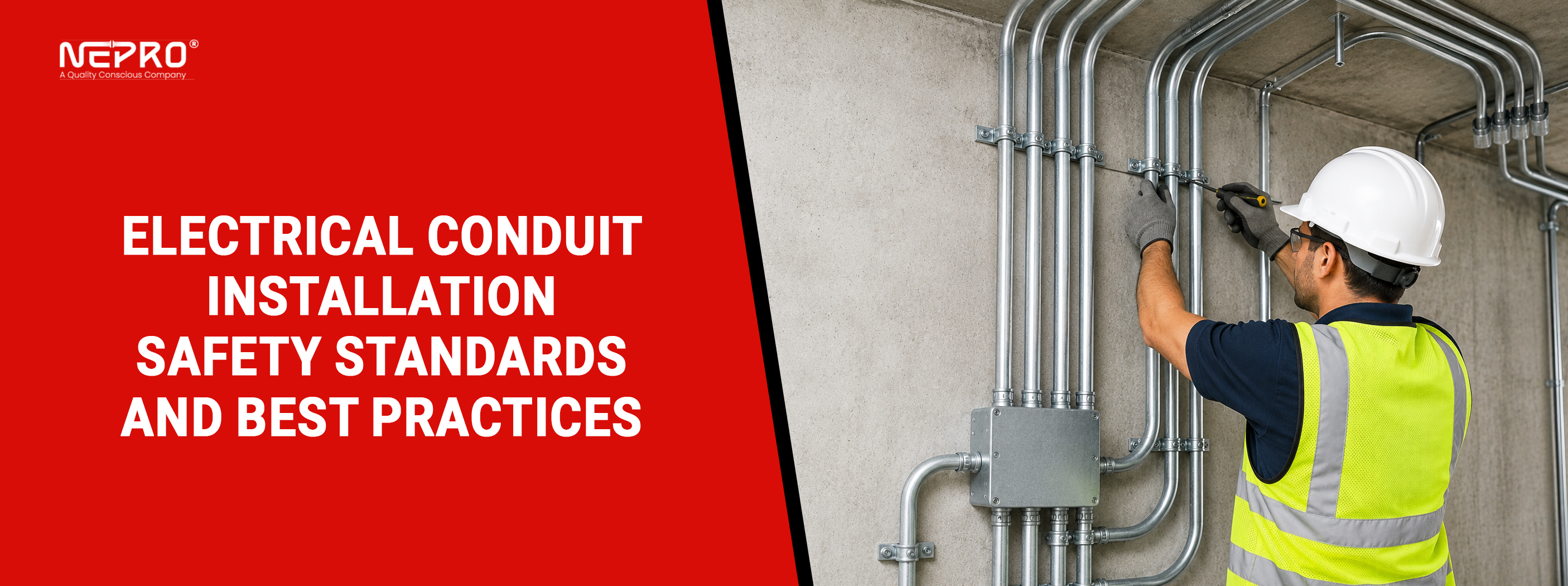
One of the key protections for wiring in structural construction is electrical conduit installation. A properly installed conduit system within a building helps to protect the entire system. Conduit systems cover wiring conduits from impacts and protect them from water and moisture intrusion.
Construction project managers need to understand the various methods and practices for safe conduit installation to pass site inspections. Understanding routing methods helps to design safe structures and helps to minimize the cost and time of future maintenance.
What Is an Electrical Conduit and Why Is It Needed?
Before installing a routing system, you need to understand the purpose of the system. A common question when planning room layouts is how to safeguard your wiring. This is a system of tubing that protects electrical lines from mechanical damage. They prevent damage to cables that can result in electrical shorts and fires.
The selection of conduit systems is dependent on the structure’s environment. Modern methods for system installation can utilize a variety of materials to achieve organized and safe wiring.
Where Can We Apply Different Conduit Types Effectively?
Different types of electric conduits are often used to provide different levels of protection to different types of structures. These conduits are especially helpful when they are exposed to varying levels of weight, moisture, and even chemical vapors.
Installing PVC Conduit for Residential Areas
The designs of most homes try to incorporate the most cost-efficient and moisture-resistant routes. The use of PVC conduit takes advantage of a lightweight and completely rust-resistant conduit that fits perfectly in standard wall structures.
Installing Plastic Electrical Conduit for Lightweight Projects
Most of the internal partition walls in lightweight construction do not experience significant levels of mechanical impact or crushing strength. For this reason, the use of plastic electrical conduit in modern construction is excellent for low-voltage communication and easier to handle during work.
Smart Piping Choices for Economical Projects
When having a budget means more strategic procurement of materials without compromising safety, installing PVC electrical conduits offers contractors a tough system with the assurance of safety. Nepro Pipes ensures premium manufacturing that meets slim budgets and offers safety without harming the environment.
Installing Electrical Conduit in Garage Layouts
Workshops often have tools and equipment that may come into contact with utility lines. When planning an electrical conduit pipe installation in garage structures, the conduit must be rigidly installed to protect the wiring from being struck by tools.
Electrical Conduit Installation Standards and Planning
Careful assessment of the engineering metrics must be performed before the installation of any structures. When dimensions do not match, it always results in a faulty system once the cabling is pulled.
Following Electrical Conduit Installation Standards for Code Compliance
The installation of electrical conduits needs to be extremely precise to eliminate legal liability and safety hazards. Advanced and specialized knowledge of safety laws and placement of electrical conduit and accessories is necessary. Knowledge and application of these practices will help keep the entire layout compliant with safety laws and codes.
Organizing Complex Electrical Conduit Wiring Systems
The arrangement of wiring systems on multiple distribution circuits can generate and contain a lot of heat. An organized wiring system also helps keep heat at an acceptable level and makes basic troubleshooting easier for maintenance personnel.
Managing Electrical Conduit Pipe Installation Dimensions
Heavy utility wires can easily crowd a conduit system. To help eliminate the crowding and help keep utility wires cool, the precise installation of electrical conduit requires knowledge of the total cross-sectional area of the conduit system and the wires.
High-Strength Couplings for Durable Pipe Junction
The quality of intermediate coupling links cements the strength of conduit pathways. The use of quality electrical conduit connectors permits the tubing lengths to remain drawn together. This prevents gaps, to avoid the conduits being exposed to the conduits being ripped apart by sharp hazards.
Step-by-Step Electrical Wiring Installation with Conduit
The installation of the wiring requires careful adherence to certain steps. Going against some of the preparation steps can lead to damaged cables or disrupt the alignment of the cables with the structure of the building.
Calculating Expenses via Electrical Conduit Installation Estimating
Before bulk purchasing the raw materials, the procurement managers must assess what the total costs will be. Using flexible models for the cost of conduit installation is a way for the managers to control costs and not go over the budget of the project.
Executing Electrical Conduit Installation in Building Structures
To keep utility lines concealed, the main walls of the building require channels that are cut deep into the walls. When installing the conduit into the framework of the building, the Nepro Pipes channels are cut easily into the concrete. This ensures that neither the structural integrity nor the aesthetics of the building are impacted, and that the building is as safe as possible.
Completing an Electrical Wiring Installation with Conduit Safely
After securing the conduit tubes, the wiring process commences. The main task of this phase is to run non-conductive fish tape through the system to protect the wiring’s insulating jacket from being shredded along the way.
How to Install Electrical Conduit Outdoors Properly
Outdoor utility lines are constantly being exposed to the elements, including rain, varied temperatures, and direct sunlight. To adequately protect the circuits, installations must be made that are completely waterproof to keep the rain out.
Mastering How to Install Electrical Conduit Outdoors Safely
Conduit fittings at the external walls must be made completely waterproof. With the knowledge of the proper way to install electrical conduit outdoors, a crew can waterproof external junction boxes with the use of a liquid-tight seal. This system prevents courtyard lighting from short-circuiting during heavy rain deluges.
Implementing Outdoor Electrical Conduit Installation Protocols
Outdoor pathways must be built to withstand extreme cases of wind pressure and the shifting of materials from the effects of heat. When installing outdoor electrical conduit, UV-resistant hardware is used. This leads to exterior walls that are neat and professionally built, aesthetically pleasing, and safe.
Protocols for Installing Underground Electrical Conduit Paths
Lines that are buried are subject to the shifting of underground rocks, extreme pressure from soil, and constant exposure to water. When laying down these buried networks, employees make deep excavations to ensure that the electrical conduit lines are below the frost line and that the main power lines are not impacted by heavy surface traffic.
Conclusion
Building a reliable network for a utility system is dependent on quality resources and building codes and regulations that are firmly adhered to. There will always be failed safety inspections when support hardware or the wrong diameter piping is used. With the structured electrical conduit installation that Nepro Pipes provides, project managers can secure a reliable and safe energy system.
FAQs
What type of conduit material is best for underground wiring?
The absolute best option for underground runs, especially in moist and chemical-rich soil, is thick-walled PVC. When encased deep in muddy, wet earth, it will never rust or corrode, providing everlasting cable protection.
Can standard interior plastic conduits be used for outdoor lighting?
For the record, standard interior plastics do not come with any of the requisite UV stabilizers necessary to resist exposure to open solar radiation. You need to add special weatherproof outdoor pathways because direct sunlight will make them brittle and therefore crack.
Why is using a fish tape necessary when routing wires through a conduit?
When going through curves with the pipe, the fish tape can slide it in smoothly, as it is firm and is easily pushed forward without being trapped anywhere in the tube or bent, so that, by fastening wires with the fish tape, we pull it through and the wires do not scratch its surface or rip insulation.