Why Should You Choose PPRC Pipes for Home Plumbing?
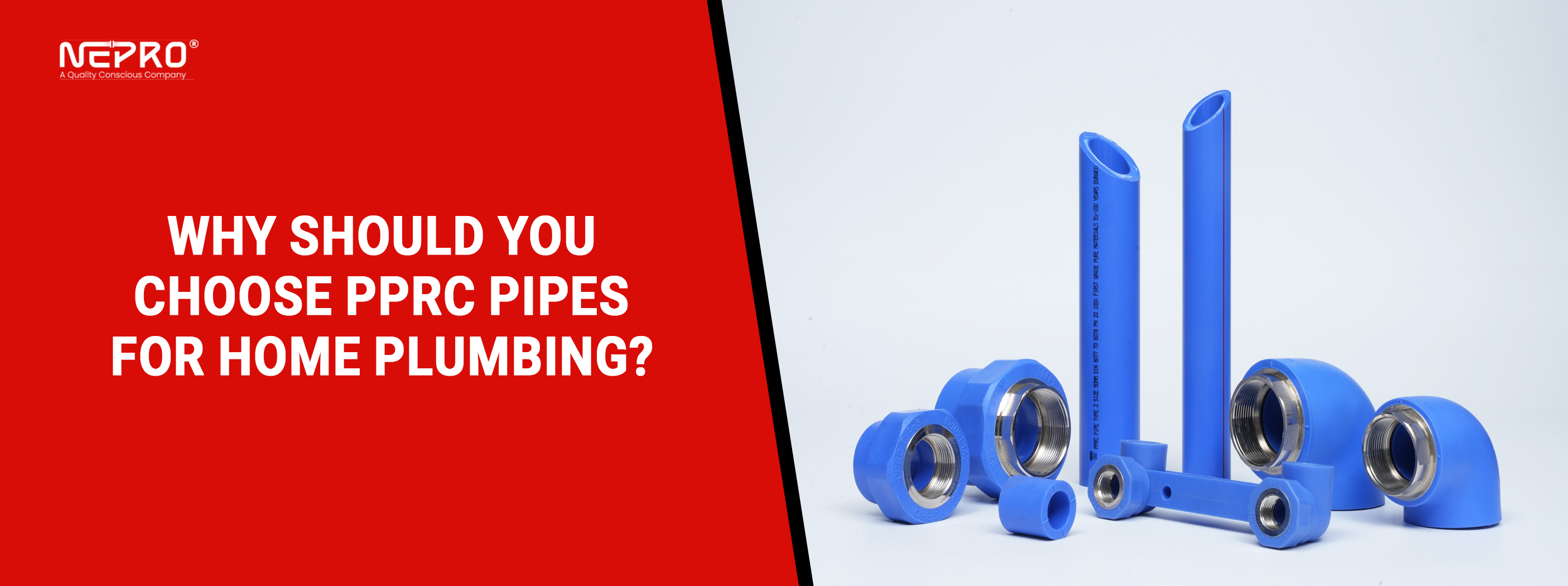
When it comes to setting up a reliable water supply system at home, the choice of pipe material makes a huge difference. In Pakistan, more and more homeowners and contractors are choosing PPRC pipes for home plumbing because of their durability, safety, and long-term performance. Whether you are building a new house or replacing old galvanized pipes, PPRC is a name that keeps coming up for good reason.
PPRC stands for Polypropylene Random Copolymer. These pipes are designed to carry both hot and cold water without cracking, rusting, or affecting water quality. From Karachi to Lahore, plumbers and civil engineers recommend PPRC pipes as the top choice for residential plumbing projects of all sizes.
What Makes PPRC Pipes for Home Plumbing Different from Other Pipe Materials?
PPRC pipes stand apart from traditional pipe materials like GI, copper, and even standard PVC because of their unique polymer structure. The random copolymer composition gives these pipes a high resistance to heat and pressure, making them suitable for carrying water at temperatures up to 95 degrees Celsius. This level of heat tolerance is something most other plastic pipe materials simply cannot match.
Another key difference is the joining method. PPRC pipes are fused together using a heat fusion welding machine, which creates a joint as strong as the pipe itself. There are no chemical glues, no threads to corrode, and no weak points in the connection. This makes the entire pipeline system more reliable and leak-free over a long service life.
Are PPRC Pipes Safe for Drinking Water at Home?
One of the biggest concerns for Pakistani homeowners is water safety, especially for drinking and cooking. PPRC pipes for home plumbing are made from food-grade polypropylene, which means they do not release any harmful chemicals or heavy metals into the water supply. The inner surface of the pipe is smooth and non-reactive, so water stays clean as it flows through.
Why Water Quality Matters in Home Plumbing
In older homes, galvanized iron pipes often rust from the inside and contaminate the water supply. PPRC pipes do not rust, corrode, or scale up on the inside. This means the water that reaches your kitchen tap or bathroom is the same clean water that left your overhead tank. For families with children or elderly members, this is a major health advantage.
PPRC pipes also resist the growth of bacteria and algae on the inner walls. The smooth surface does not give microorganisms a place to settle and grow, keeping your water supply hygienic throughout the year.
How Well Do PPRC Pipes Handle Hot and Cold Water?
Home plumbing systems in Pakistan need to handle everything from cold underground water to hot water coming from geysers and solar heaters. PPRC pipes for home plumbing are the best pipes for hot and cold water systems because they are purpose-built for exactly this kind of mixed-temperature use. They carry hot water without softening or deforming and handle cold water without becoming brittle in the winter months.
How Long Do PPRC Pipes Last in a Home Plumbing System?
Longevity is one of the strongest reasons why PPRC pipes are the best choice for home plumbing. These pipes carry a service life of 50 years or more under normal operating conditions. Once properly installed in your walls and floors, you do not need to worry about replacement for decades. This saves homeowners a significant amount of money in the long run.
Factors That Support PPRC Pipe Lifespan
Several factors contribute to the long lifespan of PPRC pipes for home plumbing. These pipes do not corrode from the inside or outside, they resist UV exposure when used in covered areas, and they hold up well against the kind of water pressure found in residential supply lines. Their thermal expansion rate is also manageable, meaning they do not crack or separate at joints during seasonal temperature changes in Pakistan.
Key Benefits of PPRC Pipes for Home Plumbing in Pakistan
Pakistani homeowners deal with some specific challenges when it comes to plumbing: hard water, high summer temperatures, frequent load shedding affecting water pumps, and pressure fluctuations. PPRC pipes and fittings are well-suited to handle all of these real-world conditions. They perform consistently whether the water is coming from a borewell, a municipal supply, or a rooftop storage tank.
Here are the top benefits that make PPRC pipes the right choice for home plumbing in Pakistan:
- Corrosion-free: No rusting or scaling even with hard water supply
- Heat resistant: Handles water up to 95 degrees Celsius for geyser connections
- Leak-proof joints: Heat fusion welding creates permanent, reliable connections
- Lightweight: Easy to carry, cut, and install during construction or renovation
- Long service life: Lasts 50 or more years with proper installation and use
- Safe for drinking water: Food-grade material with no chemical leaching
- Low maintenance: No periodic servicing or coating required after installation
How Do PPRC Pipes Compare to PVC for Home Use?
Many people ask whether PPRC or PVC is the better option for home plumbing. Both have their place, but for indoor water supply lines carrying hot and cold water, PPRC clearly comes out ahead. PVC pipes work well for drainage and cold water in some settings, but they are not designed to handle hot water and can soften or warp under heat stress.
To understand the full picture, check out this detailed PPRC vs PVC pipe comparison that breaks down the differences in material strength, heat resistance, and recommended applications for each pipe type.
What Should You Know Before Installing PPRC Pipes at Home?
Installing PPRC pipes for home plumbing correctly is just as important as choosing the right material. The pipes need to be welded using a proper fusion machine at the right temperature and for the right duration. Using the wrong heat setting or rushing the welding process can create weak joints that may fail under pressure over time. Always hire an experienced plumber who has worked with PPRC fittings before.
There are also some common PPRC pipe installation mistakes that homeowners and even some plumbers make during installation. Proper pipe sizing, correct fitting selection, and clean welding technique all play a role in a successful PPRC plumbing system.
PPRC Pipes Are the Smart Investment for Every Home
Choosing PPRC pipes for your home plumbing system is not just about solving today’s water supply needs. It is a long-term investment in the safety, health, and structural reliability of your home. While the upfront cost may be slightly higher than basic PVC options, the zero-maintenance nature and 50-plus year lifespan make PPRC the most cost-effective choice over time.
Whether you are building a brand new 5-marla house, renovating a flat in a multi-story building, or upgrading old iron pipes, PPRC gives you a pipe system that you can rely on completely. It handles the heat of Pakistani summers, the pressure of pump-fed water systems, and the daily demand of a busy household with equal ease.
For top-quality PPRC pipes, trust Nepro, a leading pipe supplier serving homeowners and builders across Pakistan. Nepro’s pipes are manufactured to withstand high temperatures, resist corrosion, and deliver clean water every day. If you want a plumbing system that lasts decades, Nepro is the right supplier to start with.
Frequently Asked Questions
Can PPRC pipes be used for geyser connections at home?
Yes, PPRC pipes are fully suitable for geyser and solar water heater connections. They can handle water temperatures up to 95 degrees Celsius, which covers the output range of most residential geysers in Pakistan.
Are PPRC pipes more expensive than other options?
PPRC pipes may cost slightly more than basic PVC pipes at the time of purchase, but their long lifespan, zero maintenance requirements, and reliable performance make them more economical over the long term. Most homeowners recover the cost difference quickly through savings on repairs and replacements.
What size PPRC pipe is best for a home water supply?
For main supply lines in a home, 25mm or 32mm PPRC pipes are commonly used. For branch lines going to individual bathrooms, kitchens, or fixtures, 20mm pipes are typically sufficient. A licensed plumber can recommend the right sizing based on your floor plan and water pressure.
How are PPRC pipes joined during installation?
PPRC pipes are joined using a heat fusion welding machine. The pipe and fitting are heated on the welding tool to the correct temperature and then pressed together to form a permanent, leak-proof bond. This method is stronger than glued or threaded connections and is the standard installation technique used by professional plumbers across Pakistan.