A Practical Guide to PPR Pipes and Fittings Selection
Plumbing systems today require materials that offer durability, safety, and long-term performance. One such solution widely adopted across residential, commercial, and industrial projects is ppr pipes and fittings. Known for their resistance to corrosion, heat tolerance, and leak-free joints, these systems have become a reliable choice for modern water supply and fluid distribution networks. Their ease of installation and low maintenance further add to their growing popularity.
What Does PPR Stand For?
Many people ask what ppr stands for, and the answer is Polypropylene Random Copolymer. It is a thermoplastic polymer specifically engineered to handle pressure and temperature variations efficiently. This material structure provides flexibility, strength, and chemical resistance, making it suitable for plumbing systems that require long-term reliability.
What Is PPR Pipes and Fittings
PPR plumbing systems consist of pipes and connecting components manufactured from polypropylene random copolymer. These pipes and fittings are joined using heat fusion welding, which creates a seamless and leak-proof joint. Unlike traditional systems, this fusion process ensures that the connection becomes as strong as the pipe itself, enhancing overall system durability and safety.
Types of PPR Pipes and Fittings
There are different types of ppr pipes and fittings available to meet various plumbing and fluid transfer requirements. Each type is designed based on pressure ratings, temperature tolerance, and application needs. Choosing the correct type helps ensure system efficiency and extends service life.
PPR Cold Water Pipes
This type is mainly designed for cold water supply systems. It performs well under lower temperature conditions and moderate pressure levels. These pipes are commonly used in residential and light commercial installations where hot water resistance is not required.
PPR Hot Water Pipes
Hot water PPR pipes are engineered to withstand elevated temperatures without deformation. They are suitable for domestic hot water systems and commercial plumbing where temperature stability is essential. The material maintains structural integrity even under continuous heat exposure.
Reinforced PPR Pipes
Reinforced variants include an additional layer, such as fiberglass or aluminum, to improve strength and reduce thermal expansion. These pipes are ideal for high-pressure environments and long pipeline runs. Their enhanced stability makes them suitable for industrial and large-scale building projects.
PPR Fittings
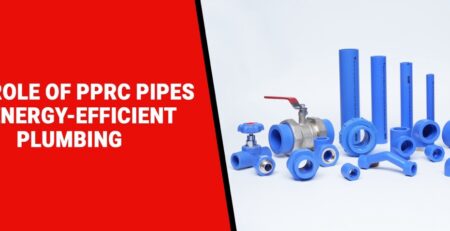
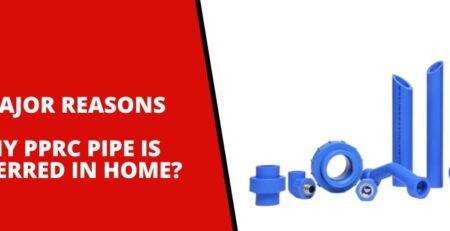
High-quality ppr fittings are used to connect, redirect, or control fluid flow within the system. These include elbows, tees, reducers, and couplers. Properly manufactured fittings ensure precise alignment and strong fusion joints, reducing the risk of leaks.
Uses of PPR Pipes and Fittings
The ppr pipe fittings uses cover a wide range of applications due to their hygienic and durable properties. These systems are trusted in environments where water quality, pressure stability, and longevity are critical. Their versatility allows them to support both domestic and industrial needs efficiently.
Residential Water Supply
PPR systems are commonly used in homes for hot and cold water distribution. They do not corrode or affect water taste, making them safe for drinking water. Their long service life reduces the need for frequent replacements.
Commercial Buildings
In offices, malls, and hospitals, PPR piping provides reliable performance under continuous usage. The smooth inner surface minimizes pressure loss and noise. This makes them suitable for complex plumbing layouts in large buildings.
Industrial Fluid Systems
Certain industries use PPR systems for transporting compatible chemicals and fluids. Their chemical resistance helps prevent material degradation. This application requires careful selection based on fluid type and operating conditions.
HVAC and Heating Systems
PPR piping is also used in heating and HVAC installations. Its thermal resistance and low heat loss improve system efficiency. These properties support consistent temperature control across the network.
Key Advantages of PPR Material
One major benefit of PPR material is its resistance to corrosion and scaling, unlike metal pipes. It also offers excellent thermal insulation, which reduces energy loss in hot water systems. The lightweight nature simplifies handling and installation, lowering labor costs. Additionally, reliable ppr pipe fittings ensure leak-proof joints and long-term system integrity when installed correctly.
Conclusion
Modern plumbing systems demand materials that combine strength, safety, and efficiency. PPR-based solutions provide a dependable option for diverse applications, from residential homes to large commercial and industrial projects. Their fusion-welded joints, hygienic properties, and resistance to environmental factors make them a future-ready choice.
For consistent quality and manufacturing reliability, Nepro Pipes delivers solutions that align with modern plumbing standards. Professionals trust Nepro Pipes for durable systems designed to perform over the long term.
FAQs
Are PPR pipes suitable for drinking water?
Yes, PPR material is non-toxic and does not affect water taste, making it safe for potable water systems.
How long do PPR plumbing systems last?
When installed correctly, PPR systems can last several decades under normal operating conditions.
Can PPR pipes handle hot water continuously?
Yes, hot water-rated PPR pipes are designed to withstand continuous high temperatures without deformation.
Are PPR systems easy to install?
Yes, heat fusion welding makes installation straightforward and ensures strong, leak-free joints.