Modern PVC Sanitary Pipes for Reliable Drainage Networks
The development of a drainage network is the most crucial aspect of construction. A premium PVC sanitary pipe system provides builders with the security that all wastewater will be evacuated efficiently with no harmful effects to the surrounding environment. Designed with durable PVC construction and leak-resistant joints, it leaves no opportunity for unpleasant leaks.
For builders, avoiding drain odors in the house is a function of planning. The main goal during planning is the optimization of the piping system throughout the life of the building.
What Is a PVC Pipe Sanitary System? Why Is It Useful?
This network provides a professional means of transporting wastewater from a residence using gravity. This design eliminates the risk of wastewater backflow into a residence.
People today prefer new sanitary plastic PVC pipes and fittings over old iron pipes. These products are rust-proof and not damaged by regular household cleaning liquids. Using durable sanitary PVC pipe design systems provides a clean solution.
Different Types of Pipes Used in Sanitary Layouts
There are several types of sewer pipes configurations in sanitary layouts that serve a specific need. Waste disposal and building durability across the different areas of the building rely on the correct piping components. Sanitary layouts utilize these specialized piping networks. Here are some of the specific pipes used in sanitary layouts:
- Soil Pipes (for toilet blackwater)
- Waste Wastewater Pipes (for sink, shower, and laundry greywater)
- Vent Pipes (for gas release and pressure balance)
- Rainwater Pipes (for roof and surface runoff)
Practical Applications of Sanitary PVC Pipe Fittings
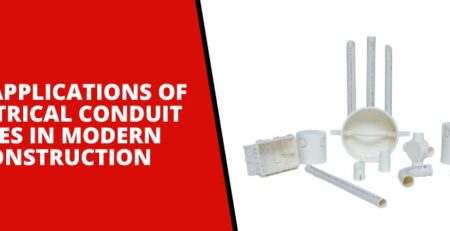
These high-grade fittings are ideal for joining drainage systems into leak-proof connections that eliminate moisture problems across several construction areas. Key applications include:
1. Residential Bathrooms and Kitchen Outlets
Waste pipes in apartments and houses typically use PVC pipe fittings to connect waste lines for domestic sinks, showers, and toilets. To help prevent relaxation of joint connections and stop waste line leakage in the wall, these fittings are manufactured to close tolerances.
2. Commercial Buildings and Shopping Malls
Commercial Structures need a solid piping network provided by the top-document best sanitary pipes in Pakistan, i.e., Nepro Pipes. In these heavy-duty applications, robust fittings connect multi-level vertical stacks to enable continuous, high-volume waste discharge with no leakage.
3. Concealed Wall and Narrow Shaft Layouts
The compact pipeless, sanitary PVC pipe-fitting arrangement allows plumbers to route drainage lines in a more practical manner through thin partition walls and into utility ducts. This hidden use conserves spatial footprint while yet ensuring moisture will not condense in utility corridors.
4. Underground Mainlines and External Drainage
In the connection of external sewers and main lines, special heavy-wall sanitary fittings allow the easy joining of sub-grade pipes. These fittings, having high impact strength, allow the integrity of the pipe system to be maintained, preventing root intrusion, and providing the safe discharge of effluent for long periods of time.
PVC Sanitary Pipe Sizes and Installation Standards
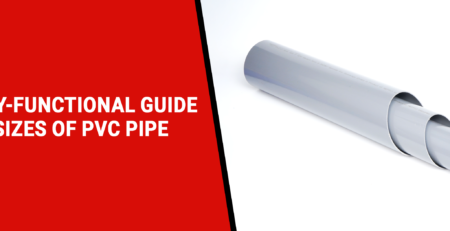
Choosing suitable pipe dimensions and wall thickness is crucial to balancing wastewater velocity and avoiding line choking. There are multiple PVC Pipes sizes that are standard to certain drainage layouts. These are based on certain volume and structural requirements:
- 32mm – 50mm (1.25″ – 2″): Sinks, kitchen basins, and greywater outlets.
- 75mm – 110mm (3″ – 4″): Toilets, soil waste lines, and vertical main stacks.
- 160mm+ (6″+): Underground main sewers and heavy commercial drainage.
Key Installation Guidelines
- Slope Gradient: Maintain a 1:40 to 1:50 slope for proper gravity flow.
- Wall Thickness: Use Class 4 (or higher) pipes for underground loads.
- Diameter Flow: Never reduce pipe size downstream to avoid bottleneck choking.
Analyzing Accurate Sanitary PVC Pipe Sizes for Optimal Fluid Velocity
Choosing the right pipe size allows waste to move with an efficient wastewater flow. Proper sizing will minimize the likelihood of solid waste getting stuck in the pipe.
Reviewing Official Sanitary PVC Pipe Specifications Before Purchase
Official guidelines list pipe diameter, wall thickness, material and grade, and joint types. These specifications are important to the integrity of the system, as they ensure the pipes can withstand pressure and the daily variations of fluid temperature and household chemicals.
Utilizing Certified PVC Sanitary Pipe Networks
Installing certified piping protects you as the installer and ensures compliance with PSQCA (Pakistan Standards and Quality Control Authority) and ISO 1452/ASTM D2665. Certified pipe systems are constructed with superior-quality materials that meet testing requirements for wall thickness, proper dimensions, and design, with high structural integrity and high chemical resistance to cleaning and household chemicals.
Underground Sewer Pipe Installation and Routing
Thick, high-stiffness pipe systems are required to manage underground sewer networks. When buried under soil and mud, pipes are selected based on their wall thickness and load-bearing capacity to withstand the weight of the dirt above.
Installing Sanitary Sewer PVC Pipe Fittings for External Mains
Sanitary sewer PVC pipe fittings offer advanced flexibility at joints. These fittings are manufactured to keep dirt and aggregate from entering the line.
Defining Sanitary Sewer PVC Pipe Sizes for Deep Trench Routing
To prevent flooding, a large-diameter sanitary sewer PVC pipe is used. This practice provides a clean and dry work environment outside.
Adhering to Sanitary Sewer PVC Pipe Specifications for Civil Projects
These specifications prevent deformation of the pipe under road traffic. This simple practice enables the sewer to function safely for years to come.
Securing a Heavy-Wall PVC Sanitary Pipe Setup
Installing heavy-wall piping provides a safe solution outside the building. This practice also protects the earth from the harmful effects of leachate.
Conclusion
A durable and efficient drainage system incorporates quality materials and mechanical fittings of the correct design and dimensions. Cheap piping systems can lead to costly drainage systems. For peace of mind, quality sanitary PVC pipe systems should be installed to ensure a drainage system is efficient for the life of the building.
FAQs
Why do modern PVC systems stop blockages better than old iron pipes?
Compared to iron pipes, modern PVC pipes are smoother, and waste is less likely to stick to the walls of the pipes.
Can we use standard home drainage pipes for hot commercial kitchen waste?
No, drainage pipes for a standard home cannot withstand hot waste from a commercial kitchen. Special thick pipes that can withstand the heat and not lose shape must be used.
What is the benefit of rubber rings in sewer fittings?
Rubber rings provide a flexible seal. The seal can move with the shifting ground and helps prevent the joint from breaking when the ground under the pipe settles.