A Comprehensive Guide HDPE Pipe Specifications and Dimensions
The HDPE pipe is a long-lasting solution that withstands over 50 years of service, and its use is suitable in Pakistan’s harsh ground conditions. In order to be successful at it, you need to match the hdpe pipe specifications, like wall thickness and pressure ratings, with the project requirements. HDPE pipe installation is superior to steel and concrete, as it undergoes pressure testing for leaks and has a service life of up to 50 years.
The Basics of High-Density Polyethylene
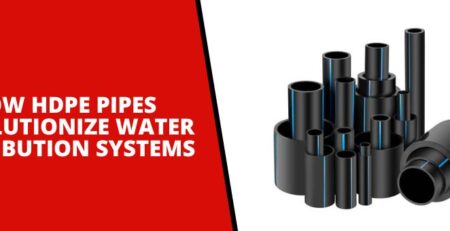
High-Density Polyethylene hdpe pipe is a durable form of plastic material that can be used for transferring water, gas, and chemicals. HDPE is the most commonly used pipe in Pakistan, because unlike iron pipes, it doesn’t corrode from rusting, and it doesn’t crack as concrete does when the ground shifts.
Key Material Specifications
According to standard hdpe pipe specifications, these pipes are extremely lightweight due to their specific gravity ranging from 0.93 to 0.97; therefore, easy to handle onsite, & reduced transport costs & reduced labour costs overall to transport & install them.
Understanding Sizes and HDPE Pipe Specifications
Deciding on the correct hdpe pipes sizes is very important for proper flow rate. The biggest mistake is selecting a product size that is either too high (wasted cost) or too small (low flow rate).
Your HDPE pipe diameters should be consistent between all types of fittings and joints in order for them all to fit properly. In addition, the thickness of the HDPE pipe dictates the maximum amount of outside pressure that the pipe can handle from surrounding soil or traffic without collapsing.
SDR and Pipe Schedules
Contractors will often choose hdpe pipe schedule or SDR, Standard Dimension Ratio. These HDPE pipe specifications are used to track the strength that is required for the job. These charts are included in the Nepro Pipes product brochure.
Technical Table for HDPE Pipe Specifications
| Feature | Standard Technical Value |
|---|---|
| Material Grade | PE 80 / PE 100 |
| SDR Options | SDR 11, 13.6, 17, 21, 26 |
| Pressure Rating | PN 6 to PN 25 |
| Standard Compliance | ISO 4427 / DIN 8074 |
Pressure Ratings and Safety Standards
The HDPE pipe pressure rating is the most important point at which the water does not enter the pipe. It provides you with the maximum allowable internal pressure the pipe can hold without causing it to burst and rupture due to the pressure from a water pump.
Using HDPE pipe specifications for Pressure Safety
HDPE Pipe Suppliers provide an HDPE pipe pressure rating table, which allows a person to determine which grade of HDPE pipes (for example, PN10 or PN16) to buy. Also, by following HDPE pipe specifications, your water delivery system will not only meet international safety and quality standards, but it will also last longer than if it did not follow the HDPE pipe standards.
Correct Installation and Testing
HDPE pipe installations offer a better alternative than either steel or concrete pipe options based on the fact that HDPE is pressure tested for leaks at the time of manufacture, thus providing 50-plus years of service life. The method of heat fusing, in place of heavy metal welding, results in faster and safer installation for workers.
On-Site Pressure Testing
You need to complete hdpe pipe installation specifications and HDPE pipe pressure testing before covering the trench. Confirming that each joint is properly sealed and ready for service is an essential aspect of the HDPE pipe technical specifications.
Special Pipes for Sewer and Casing
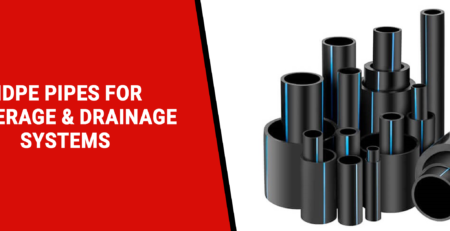
HDPE sewer pipes offer superior resistance to the corrosive gases found in sewer systems. They are designed to withstand damage caused by chemical exposure and will not thin or leak over time.
Casing for Cable Protection
By reviewing safe sewer pipe or HDPE casing pipe specifications, you can determine which type of shield is most appropriate for your waste lines/wires. Additionally, by following the HDPE Pipe specification, you will extend the life of your HDPE pipe and protect your underground cables from water/moisture and the weight of heavy boulders above them.
Durability and Reliable Supply
The HDPE pipe temperature range is between -40 and 40 °c, it can run well even in harsh weather conditions. That resilience makes it the choice for critical infrastructure in all provinces, from mountainous to coastal regions.
Choosing Quality Suppliers
If you’re buying an HDPE pipe, always request a PDF of the HDPE Pipe Specifications to guarantee the quality of the materials used. Nepro Pipes will help ensure that your project is in compliance with current HDPE pipe standards and that only top-grade resin is being utilized.
Summary
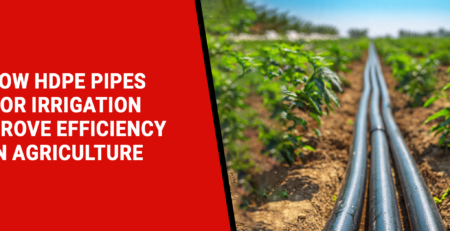
HDPE Pipe has the best durability & flexibility of all pipe types in today’s modern world of Infrastructure, & by utilizing the proper HDPE Pipe specifications, along with the proper & correct installation methods, your systems will not experience rust for at least 50 years, be it City Sewer or Farm Irrigation. When using only quality HDPE Pipe, you are investing in a Pipe that will ultimately provide lower maintenance & greater reliability for generations to come.
What People Also Ask
Can HDPE pipes be repaired if they are accidentally cut?
Yes, you can fix them with electrofusion couplers or mechanical fittings. Electrofusion is the method of choice as it lays down a permanent weld over the broken area.
Is HDPE or PVC better for use underground?
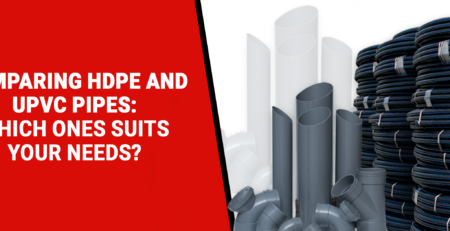
In many cases, yes. It’s more flexible and can be able to withstand ground movement and freezing better than PVC, which can become brittle until it cracks.
What do the blue bands on an HDPE pipe indicate?
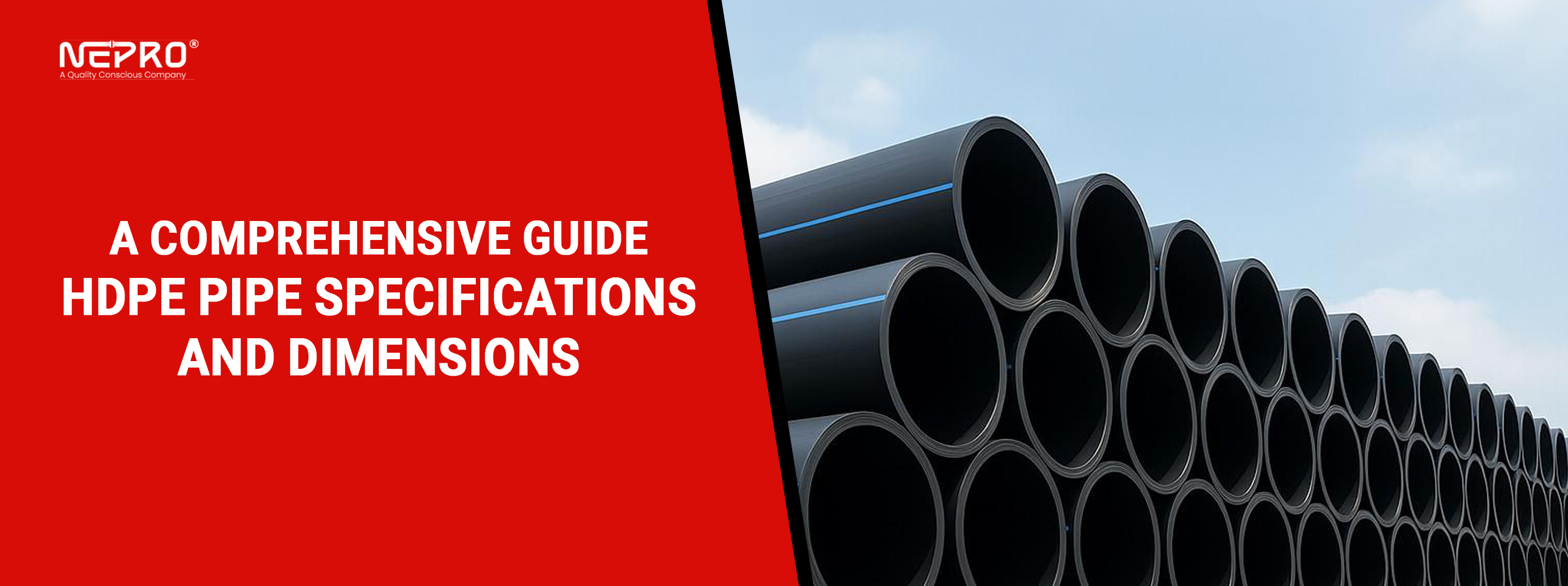
One of those blue stripes lets us all know that this pipe is for potable (drinking) water. Gas pipes typically have yellow or orange stripes.
Can I use the HDPE for a suction line in a pump?
You can, but you must make sure the wall thickness (SDR) is adequate to allow support for vacuum pressure and not cause collapse under vacuum.