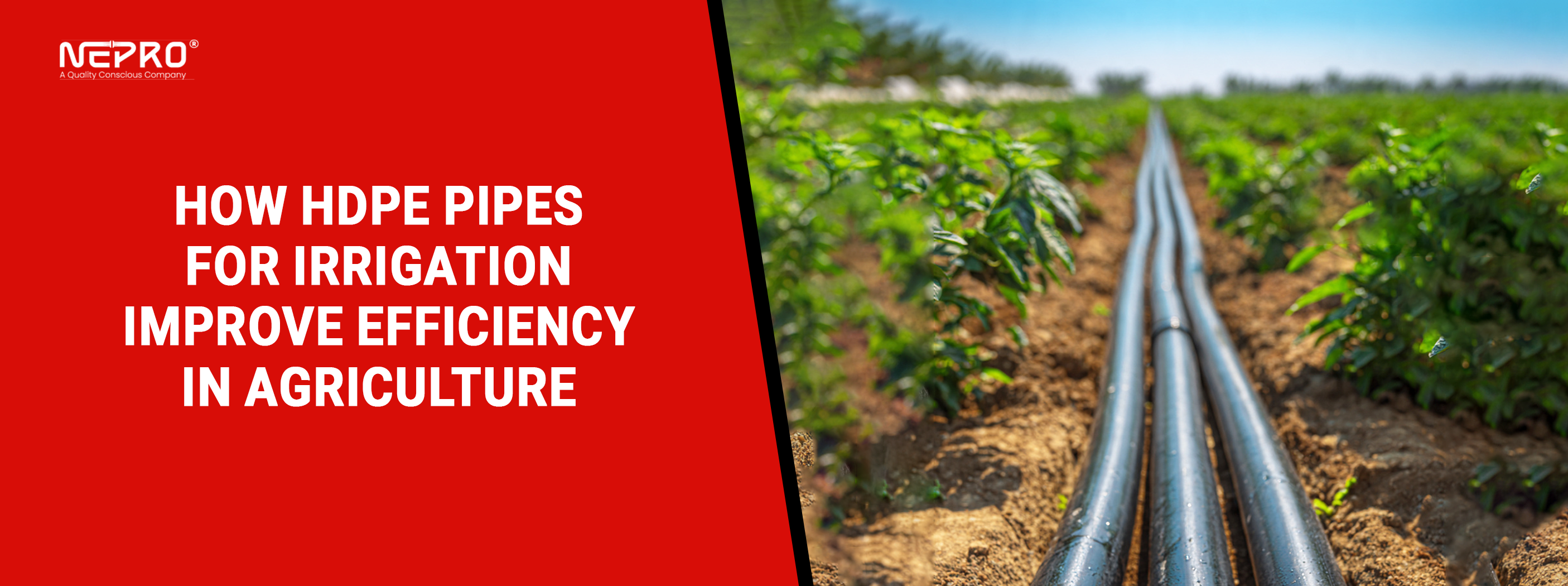
How HDPE Pipes for Irrigation Improve Efficiency in Agriculture
Irrigation plays a vital role in today’s agriculture and landscaping, enabling crops and plants to receive a consistent water supply regardless of rainfall conditions. For centuries, irrigation systems have supported food production and green spaces by delivering water precisely where and when it is needed. As irrigation techniques evolve, the materials used in these systems become increasingly important for efficiency, durability, and water conservation.
One of the most widely adopted irrigation methods today is the sprinkler system, valued for its ability to distribute water evenly across large and small areas alike. The performance of sprinkler systems, however, depends heavily on the quality of piping used. This is where HDPE pipes for irrigation have become a preferred choice.
What Are Irrigation Sprinkler Systems?
Irrigation sprinkler systems are designed to apply water in a controlled spray pattern, closely resembling natural rainfall. These systems use interconnected pipes, control valves, and sprinkler heads to ensure uniform water distribution across agricultural fields, lawns, and landscaped areas.
The main goal of a sprinkler system is to maintain consistent soil moisture levels while avoiding overwatering and runoff, which can damage crops and waste water.
Advantages of Sprinkler Systems
Efficient Water Distribution
Sprinkler systems ensure even coverage across the irrigated area, minimizing dry spots and reducing unnecessary water loss.
Automation and Ease of Use
Modern sprinkler systems can be automated to operate on schedules, making them ideal for home gardens and large agricultural lands with minimal manual effort.
Adaptability Across Landscapes
These systems can be tailored for diverse environments, from small residential lawns to extensive farmland, ensuring flexible irrigation solutions.
Support for Water Conservation
By delivering water uniformly and only where needed, sprinkler systems help preserve soil quality and support responsible water use.
The Role of Pipes in Sprinkler Systems
Pipes act as the backbone of any irrigation sprinkler system, transporting water from the source to the distribution points. The pipe material directly impacts system reliability, lifespan, and maintenance requirements. Among the various materials available, HDPE pipes for irrigation have proven highly effective due to their strength, flexibility, and resistance to environmental stress.
Why HDPE Pipes for Irrigation Are Ideal for Agriculture Systems
Durability and Long-Term Performance
HDPE pipes are built to withstand high internal pressure and constant exposure to moisture and soil. Unlike metal pipes, they do not rust or corrode, and unlike rigid plastics, they can handle pressure fluctuations caused by sprinkler operation. With proper installation, HDPE irrigation pipes can last over five decades.
Leak-Resistant Jointing
HDPE pipes are joined using heat fusion techniques that create a continuous, sealed pipeline. This jointing method significantly reduces the risk of leaks compared to traditional connector-based systems, improving water efficiency.
Resistance to Agricultural Chemicals
Fertilizers, pesticides, and soil chemicals do not affect HDPE pipes. Their chemical stability ensures consistent performance without weakening or contamination.
Cold Weather Flexibility
In colder regions, water trapped inside pipes can freeze and expand. HDPE pipes for irrigation retain flexibility at low temperatures, reducing the likelihood of cracking or burst damage compared to rigid pipe materials.
Environmental Advantages
HDPE pipes are recyclable and have a lower environmental footprint. Their long lifespan and leak-free design support water conservation and sustainable irrigation practices.
Cost and Installation Benefits
HDPE pipes are lightweight, easy to transport, and flexible enough to bend around obstacles. This reduces the need for extra fittings, lowers labor costs, and shortens installation time.
Nepro HDPE Pipes for Irrigation Applications
For high-quality, reliable HDPE pipes for irrigation tailored for agricultural and irrigation applications, Nepro offers durable solutions manufactured to meet the highest industry standards. Nepro pipes provide exceptional strength, leak-proof performance, and chemical resistance, making them a trusted choice for small gardens, large farms, and professional irrigation systems. By choosing Nepro, farmers and irrigation planners can ensure long-term efficiency, reduced maintenance costs, and sustainable water management.
Conclusion
Irrigation sprinkler systems are essential for efficient agricultural production and landscape maintenance. The choice of piping material plays a decisive role in how well these systems perform over time. HDPE pipes for irrigation stand out due to their durability, flexibility, leak resistance, and long service life. They offer reliable performance in both small-scale gardens and large agricultural fields while supporting sustainable water management. By selecting high-quality pipes from trusted manufacturers like Nepro, irrigation systems achieve maximum efficiency and longevity.
Frequently Asked Questions
Are HDPE pipes suitable for agricultural sprinkler irrigation?
Yes, HDPE pipes are widely used in sprinkler systems due to their flexibility, pressure resistance, and leak-proof joints.
Can HDPE pipes withstand outdoor exposure?
HDPE pipes are UV-stabilized and can safely be used in exposed or buried irrigation applications.
Do HDPE pipes work well with fertilizers and chemicals?
Yes, HDPE pipes are chemically inert and unaffected by common agricultural chemicals.
How long do HDPE irrigation pipes last?
With correct installation and use, HDPE pipes can last 40–50 years or more.